
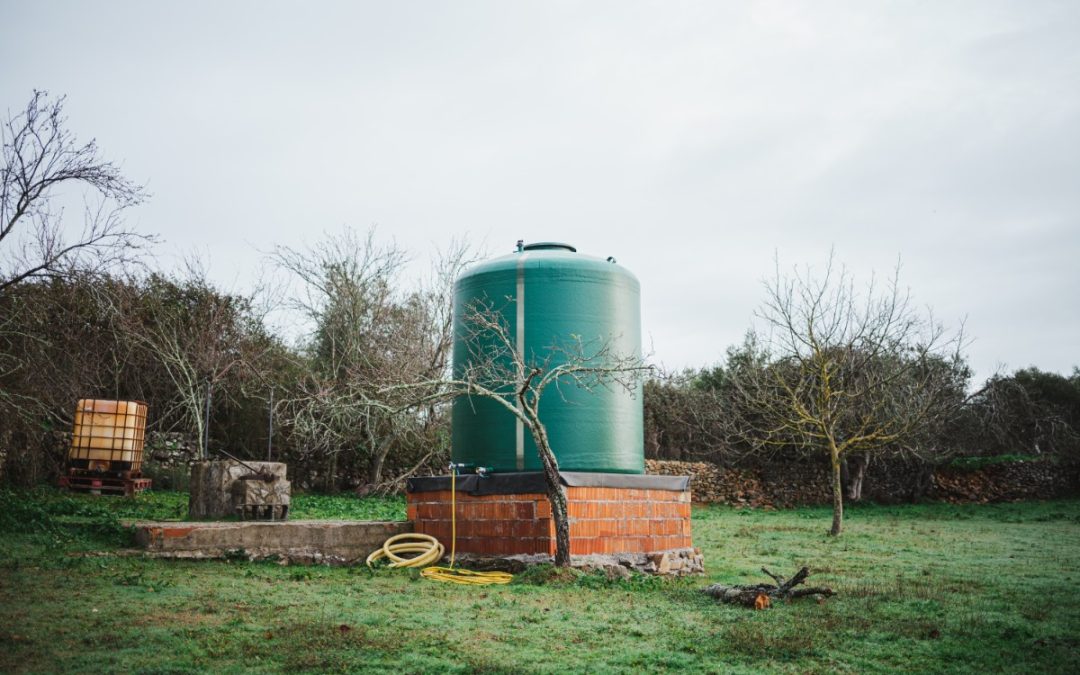
In a world where sustainability is becoming increasingly important, efficient stormwater management is essential. Water retention systems are crucial solutions that help minimise surface runoff impact and maximise water resource use. Whether for residential properties, mountain cabins, or industrial facilities, choosing the right retention system can significantly affect efficiency, cost, and sustainability.
1. Water Retention in Residential Settings
For residential properties, water retention systems are often designed to reduce impact on local sewer systems and help reduce flood risk. A popular option among homeowners is installing underground polyethylene or fibreglass tanks. These tanks are durable, corrosion-resistant, and easy to install. They can collect rainwater for irrigation, car washing, or even toilet flushing, helping reduce drinking water consumption.
2. Solutions for Mountain Cabins
In mountainous areas where weather conditions can be extreme, water retention systems must be robust and well-adapted to low temperatures and heavy precipitation. Underground galvanised steel tanks are an excellent choice in these conditions, given their corrosion resistance and ability to support heavy loads such as accumulated snow. These systems can store water and gradually release it into the soil, preventing erosion and landslides.
3. Industrial and Commercial Applications
For industrial companies and facilities, water retention requirements are often dictated by local regulations and the need to manage large water volumes. Underground industrial tanks – whether concrete or composite – are efficient solutions for water storage for industrial processes or fire suppression. For example, fire reserve tanks are essential for fire safety in industrial areas and must rapidly provide large water volumes in emergencies.
4. General Considerations in Choosing a Retention System
When choosing a water retention system, it is important to consider the following:
- Required capacity: Estimate the water volume that needs to be managed.
- Tank material: Choose durable materials that can withstand local conditions.
- Costs and installation: Evaluate initial and long-term costs, including maintenance.
- Local regulations: Ensure the system meets all legal and environmental requirements.
Conclusion
Choosing the right water retention system can play a vital role in protecting properties from flooding, reducing drinking water consumption, and supporting environmental efforts. Whatever the specific application – a house, mountain cabin, or industrial facility – integrating an efficient retention solution can significantly contribute to sustainable, efficient water management.
For more information on choosing and implementing the right water retention system for your needs, contact our experts at Emtal.ro. We are here to help you find the best solution for your project.