
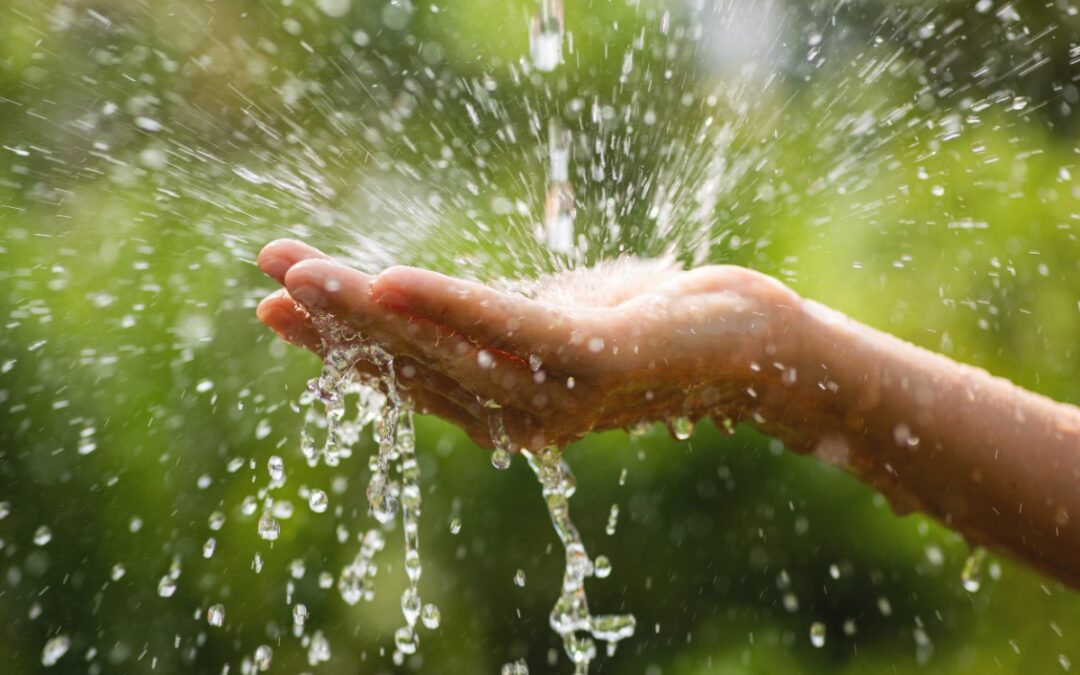
Water is a precious, essential resource for life. However, our planet's freshwater resources are increasingly under pressure due to climate change, population growth, and pollution. Rainwater harvesting is a sustainable, cost-effective solution to conserve water and reduce reliance on municipal drinking water networks.
What is water collection?
Rainwater harvesting is the process of collecting and storing rainwater from roofs, terraces, and other impermeable surfaces. This water can be used for various purposes such as garden watering, car washing, toilet flushing, and even human consumption (after appropriate treatment).
What water can be collected?
In general, rainwater is safe to collect and use. However, it is important to avoid collecting water from surfaces that may be contaminated with chemicals or other harmful substances. It is also important to keep your collection system clean and well-maintained to prevent water contamination.
Why is collecting water important?
There are many reasons why rainwater harvesting is a good idea:
- Water conservation: Rainwater harvesting helps reduce drinking water consumption – a precious, limited resource.
- Sustainability: Using rainwater reduces reliance on municipal drinking water systems, which can be expensive and energy-intensive.
- Cost reduction: Using rainwater for garden watering and car washing can save money on water bills.
- Independence: Rainwater harvesting can give you an independent water source, especially during droughts.
- Environmental protection: Rainwater harvesting reduces stormwater runoff, which can cause flooding and pollute rivers and lakes.
What can collected water be used for?
Rainwater can be used for various purposes, including:
- Garden and lawn watering: Rainwater is perfect for watering plants, as it contains no chlorine or other chemicals that can harm them.
- Car washing: Rainwater can be used to wash cars, saving drinking water and preventing soapy water runoff into the sewer.
- Toilet flushing: Rainwater can be used to fill toilet tanks, reducing drinking water consumption.
- Floor washing: Rainwater can be used to wash floors, reducing drinking water consumption and eliminating the need for chemical detergents.
- Animal watering: Rainwater can be used to water animals such as cattle, horses, and pets.
- Fish ponds: Rainwater can be used to fill ponds and aquariums.
How do you choose the right products for efficient water collection?
Choosing the right rainwater harvesting products depends on your specific needs and property size. Here are a few factors to consider:
- Water quantity needed: Determine your daily water needs to ensure your collection system can produce enough water.
- Roof size: Your roof size will determine how much water you can collect.
- Roof type: Some roof types, such as concrete tile roofs