
Efficient water transport is essential to any water management system, whether for drinking water supply, irrigation, or sewer systems. In this article, we will explore different components of water transport systems and how they contribute to overall water management efficiency.
1. Pipes, Conduits, and Fittings
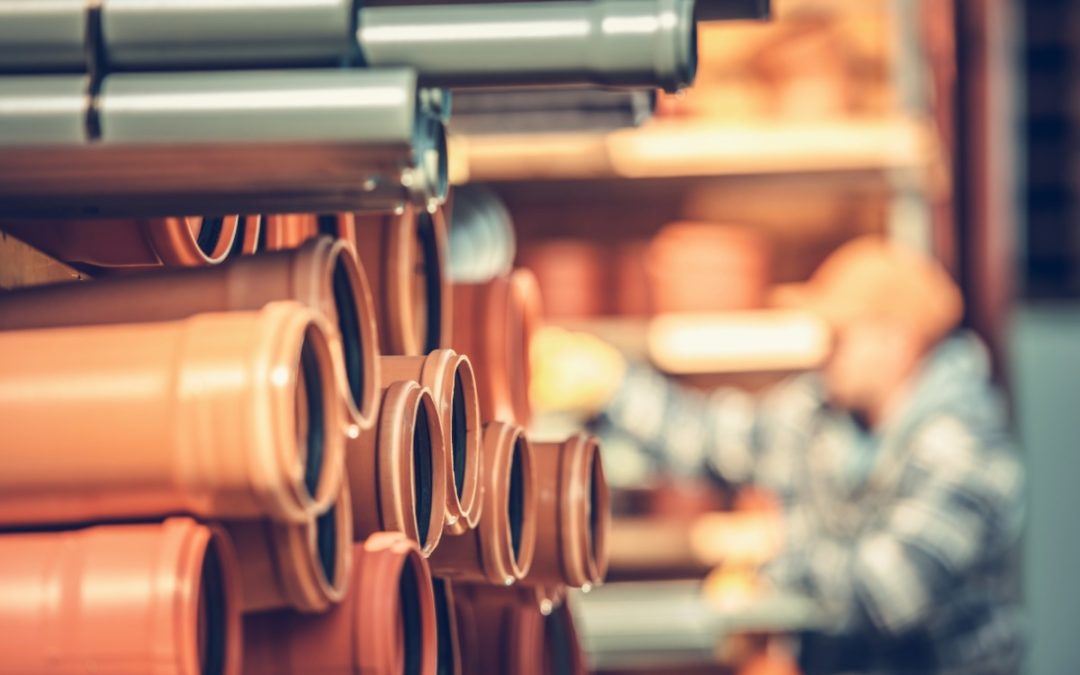
Pipes and conduits are the arteries of any water transport system. The materials used vary from metals such as steel and copper to plastics like polypropylene (PP) and polyvinyl chloride (PVC). Material choice depends on the specific application, water pressure, water quality, and durability requirements. Fittings and accessories ensure secure, watertight connections between pipe segments.
2. Inspection Manholes and Covers
Inspection manholes are essential structures providing access to underground systems for inspection, maintenance, and repair. They are built from various materials including concrete, polyethylene (PE), and polypropylene (PP). Manhole covers protect access points and ensure safety in urban landscapes.
3. Sealing Systems
Proper sealing is crucial for preventing water loss and protecting against contaminant infiltration. Sealing systems – including gaskets and other sealing devices – are designed to ensure leak-free operation of the transport network.
4. Pumps and Pump Stations
Pumps are used to move water between different system levels, providing the pressure needed at consumption points or for irrigation. Pump stations may include multiple pumps, control systems, and other auxiliary equipment configured to meet specific project requirements.
Conclusion
Selecting and correctly implementing water transport system components is essential to the efficiency and durability of the entire water management system.